EMI3News & insightInsight
Case study: what changed in six months
A mining client with a struggling mobile equipment department. No accountability, poor communication, no standard way of working, and morale to match. What ZoneMaintenance changed, and what the superintendent said afterwards.
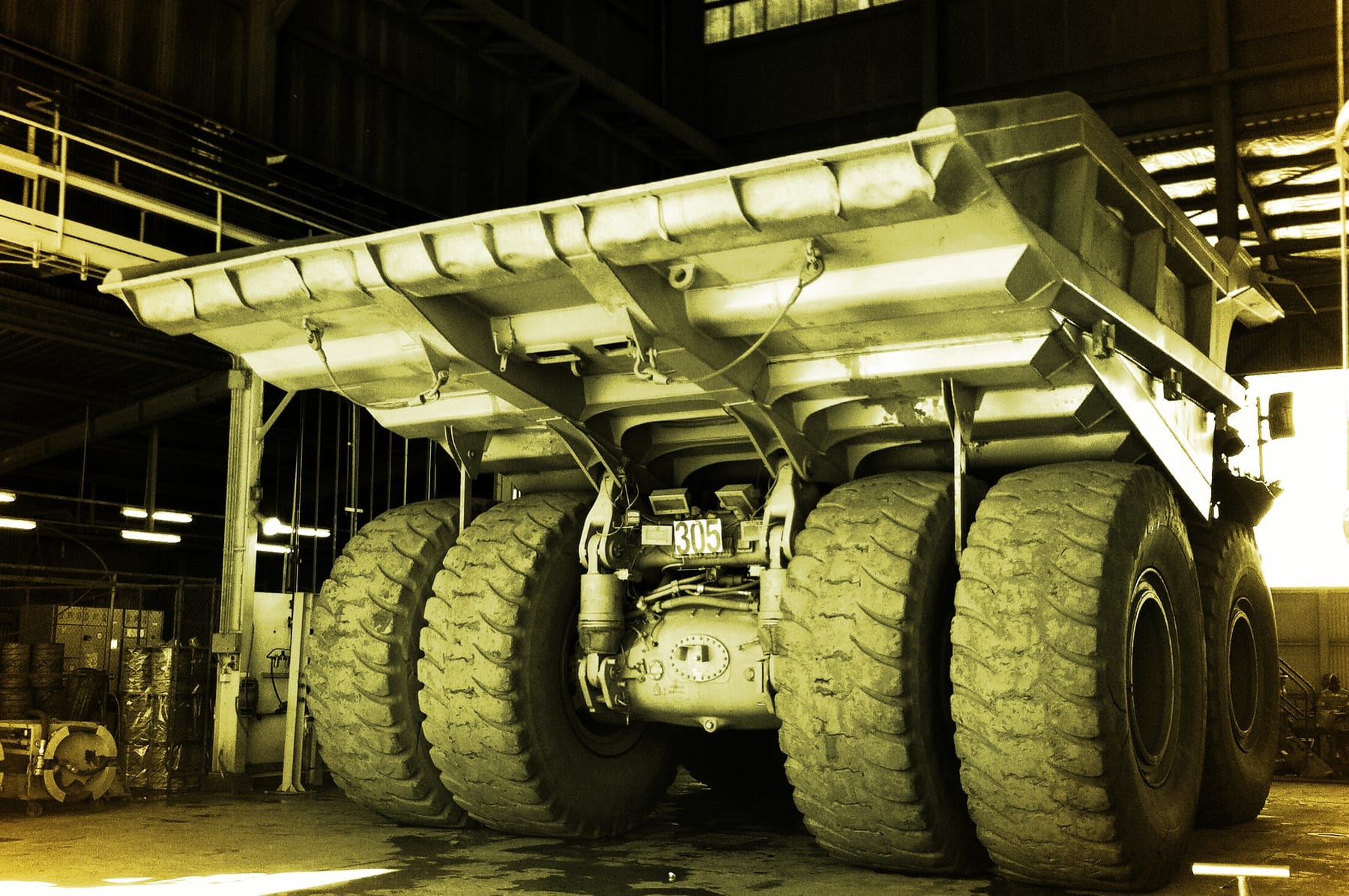
A mining client operating in a developing country came to us with a mobile equipment asset management department in difficulty. The symptoms were the ordinary ones, which is exactly why they are worth writing down.
- Maintenance tasks neglected or poorly executed, with no accountability attached.
- Communication between teams poor enough to cause real inefficiency.
- No standardisation: practice varied with whoever was on shift.
- Low morale and low engagement, which is both a cause and a consequence of the other three.
What was put in place
ZoneMaintenance was introduced as a structured approach rather than a piece of software dropped onto an existing process. Four things happened together:
- Zone division. Tasks divided into distinct zones by machine model, with team members assigned clear responsibility for a zone.
- Transparent process. Detailed logging of tasks and defects, and service progress visible in near real time rather than at the end.
- Training and development. Deliberate emphasis on feedback, accountability and teamwork, not a software induction.
- Technology integration. Live equipment status and performance data available to the people who needed it.
What changed
Within six months: equipment downtime down and uptime up, equipment performance and reliability improved, and morale, engagement and job satisfaction visibly better. Pre-service inspection tasks were being performed at 80–90% capacity during truck refuelling cycles, work absorbed into time the machine was already standing still.
The culture changed to “this is how we do maintenance now.”
That is the superintendent of the PM bay. He was equally clear about what sustains it: team discipline, and accepting ownership. The platform makes the standard visible; it does not enforce it on anybody’s behalf.
The outside view
The OEM technical support team, watching the same fleet from a different vantage point, put it this way:
We saw the team gain control of the fleet quickly. There was a distinct shift in fleet performance because they gained this control, and there was a clear improvement after ZoneMaintenance was introduced.
Note the sequence in that sentence. Control came first. Performance followed. That is the argument in miniature: you do not improve reliability by asking for it, you improve it by making execution consistent enough that the outcome stops depending on who turned up.
Was this useful?
We read every response. It decides what we write next.
We will not add you to a mailing list.
Keep reading
Product
Inside the limits, and still going wrong
A condition monitoring question captures a number and a photograph. The platform trends it across the fleet, watches the rate of change, and raises an alert while the reading is still comfortably inside its limits.
4 September 2026 · 7 min read
Insight
Your CMMS is not the execution layer
Enterprise systems hold the asset record. Planning systems schedule the work. Neither of them sees the work being performed, and that gap is not a reporting problem to be fixed with another dashboard.
12 August 2026 · 8 min read
Insight
Chaos, constrained: why maintenance behaves like a complex system
Small deviations at the start of a shift produce very large differences by the end of it. You cannot remove that sensitivity, but you can bound it, the way aviation and surgical systems do.
29 July 2026 · 6 min read